Tuesday, January 28, 2025

Rebuilding Your Life: Dallas Drug Rehabilitation Support

A supportive, stimulating environment conducive to the healing process is paramount when seeking help for drug addiction. The drug rehab centers in Dallas provide just that space ground from which to grow into recovery. They offer a safe, sober living community where drug addicts can seek to change their lives. Here lies why choosing a rehab center in Dallas may be the best decision for you in the long run.


Why Choose Drug Rehabilitation in Dallas?


Dallas drug rehabilitation centers are home to the creation of a compassionate atmosphere to benefit anyone facing drug addiction or abuse. Most emphasize an environment where every part of the process- a journey towards sobriety- is welcomed and valued.


Key Benefits of Drug Rehabilitation:


  • Personal Treatment Plans: Programs are individualized to meet each person's needs and accept their goals.


  • Caring and Experienced Personnel: Many staff members have been through the challenges of sobriety and thus can offer authentic support and guidance.


  • Sober Community Living: Living in a sober community provides various forms of support, which supports sustainable changes and creates strong bonds with others going through a similar journey.


What to Expect in a Dallas Drug Rehabilitation?


Visiting a drug rehabilitation center connects one to the cycle of self-discovery, healing, and growth. Dallas drug treatment centers provide holistic healing in treatments offered across one's recovery range, focusing on their physical, emotional, and psychological needs.


Holistic Routine of Recovery


Holistic does not only mean treating addiction; it works on rebuilding self-esteem, learning new coping mechanisms, and promoting a healthy lifestyle. Many rehab programs include:


  • Therapy-individual and group

  • Nutritional counseling

  • Physical fitness programs

  • Mindfulness and meditation


Community-Based Support for Lasting Recovery


Rehabilitation programs in Dallas build an enabling environment. Exchanging stories bring comfort and strength to individuals from others. Such a sense of belonging is essential to maintaining sobriety after leaving treatment.


Takeaways


Dallas drug rehabilitation programs offer a supportive environment for men and women recovering from drug addiction. If a sober life is the ultimate goal, these caring programs provide the mentoring and resources for a successful journey. Recovery is an experience shared. And with a loving staff and a supportive community, transformation becomes possible.


Monday, December 23, 2024

What Are the Healing Effects of Marijuana?

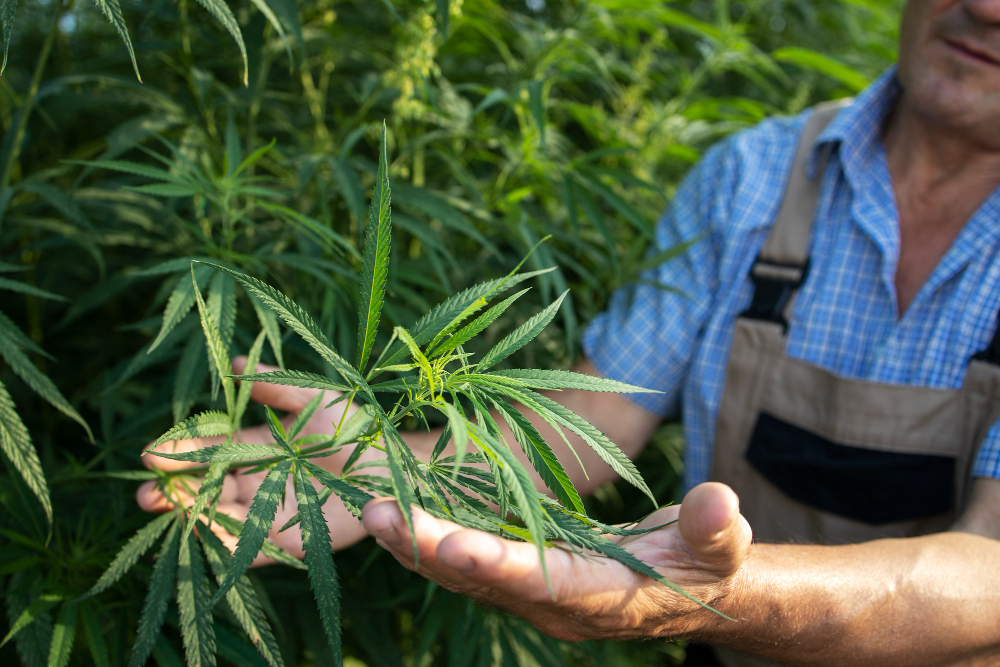
Without a doubt, marijuana is the most talked-about drug right now and the one making waves for possible medicinal effects. From soothing the pain associated with chronic diseases to being useful for mental health management, it has led medical practitioners and researchers down the path of usage and abuse of this substance by individuals. This article will discuss the healing effects of marijuana regarding its intended scope for individuals seeking recovery, particularly in sober living house Dallas.


Pain Relief and Inflammation Management

The most popularly evidenced benefits of marijuana are analgesic and anti-inflammatory. Such compounds from marijuana and CBD intermingle with the endocannabinoid system of the body, which in turn modulates pain. Research indicates that medical marijuana can be helpful for treating patients who have arthritis or any type of chronic pain disorder. Those in rehabilitation from marijuana should know such a distinction: medical versus social applications.

Mental Health Benefits

It may provide some mental support by relieving symptoms of anxiety and depression. CBD is a non-psychoactive component of marijuana that proves one's worth, so they do not crave the high from THC. Marijuana has been managed clinically for the management of cases with features such as PTSD and severe anxiety. However, misuse or reliance on excess may culminate in dependency, thus calling for organized substance recovery programs and sober living houses in Dallas.

Appetite Stimulation and Nausea Reduction

For patients in treatment such as chemotherapy, marijuana helps explicitly in stimulating appetite and reducing nausea. The effect is even more critical for those types of patients, particularly those suffering from diseases such as cancer or HIV/AIDS, to maintain good nutrition and be in good general health.

Risks and Considerations

There are medicinal effects of marijuana, but it contains risks. Most worryingly, misuse results in dependence, impairment of cognition as well as social problems. Many marijuana recovery programs offer education on responsible use and alternative coping methods for people recovering from substance use disorders. Of these, sober living houses in Dallas provide a nurturing environment for residents to re-establish their lives through integrated recovery in the absence of triggers.

Final Thoughts

Marijuana has proven effective in healing several diseases. However, then again, every fun way to use it also has a danger of misuse, especially with it being very active and usable in recovery. Thus, among other things, careful consideration should also be given with respect to personal safety, especially for those in recovery. Exploring the prospects of medicinal pot, learning to live again after addiction, or pursuing all therapeutic resources in support should be encouraged to include an aspect of sober living houses in Dallas regarding the long-term well-being of an individual.


Tuesday, December 3, 2024

Overcoming Drug Addiction in Dallas: Path to Recovery

Dallas drug rehabilitation gives people an opportunity for a full recovery from drug dependence and offers all the tools required for this. A holistic approach can quickly provide a treatment but also a supportive environment in which a person can thrive. This article is a guide to the recovery process and why Dallas is the place for successful rehabilitation centers.


What You Can Expect about Drug Rehabilitation in Dallas?


The expectations for drug rehabilitation in Dallas can be seen as follows: 


  • Comprehensive Treatment Programs: The drug rehab facilities in Dallas have strict evaluation forms today, where treatment plans are prepared according to the needs and causes of drug addiction.


  • Supportive Community: A drug rehab program is full of people who are professionals and requires the person to be more of their company. This confers later membership and is one of the essential aspects of the recovery process.


  • Aftercare Services: It is essential to have further help and care once the person has left rehab. Most centers have programs that facilitate post-rehabilitation care because individuals do not want to slip back into their bad habits.


  • Therapeutic Techniques: CBT often helps, as group therapy and other methods – the best programs are the ones that use such therapies to prevent such relapses.


What You Should Do On Your Journey To Sobriety


  • Initial Evaluation: The initial diagnostic procedure performed with the person with an addiction is relatively standard and allows for determining the degree of dependence and developing an individual program of rehabilitation.


  • Detoxification: That way, medical detox programs help the body to withdraw with minimal and carefully managed discomfort and danger.


  • Therapy and Counseling: Ongoing counseling and therapy supply ways of coping with triggers and stress and alternatives to drug use and abuse.


  • Rebuilding Life Skills: Recovery from drug addiction may involve not only the process of overcoming disease but also the process of constructing a satisfying, contributing existence, which entails the tools for managing the mundane and the occasional crisis in living.


Drug treatment in Dallas provides a new lease of life for people struggling with drug dependence. A range of recovery options exists in Dallas that are available for those willing to commit their time to pursuing sober living: compassionate therapy, group support, or a personally tailored plan. A better life is possible for those willing and able to finally find the help they so desperately need for requite and then some.

Friday, November 8, 2024

Why Choose a Sober Living PHP House with Structured Programs?

If ever there is a success story that would describe the story of addiction, this would never be complete without tackling a critical point: relapse prevention. Quite a few people discover that once they have been through the traditional rehabilitation program, they still need more help, and this is where a sober living PHP house comes in.

1. What is a Sober Living PHP House?

A sober living PHP house entails a sober living influx joined with Partial Hospitalization Programs (PHP). This house is suggested to clients with perhaps more rigid social requirements than sober living homes but does not require full-impact rehabilitation. These homes maintain or aim to provide protective and drug-free premises with additional services to support the rehabilitation processes.

2. Structured Programs Provide Stability

An advantage of sober living programs is that they are enjoyable. Such plans give a clear, understandable structure that simply demands that the participant engage in the rehabilitation process. From individual therapy sessions to group meetings, such programs provide structure for their day that minimizes the potential for their relapse.

  • Daily therapy: Psychological treatment comprises behavioral therapy, cognitive behavioral therapy (CBT), or family counseling to tackle psychological problems.

  • Group support: Mutual aid groups, including self-help groups like Narcotics Anonymous or Alcoholics Anonymous, which have 12-step programs, accomplish the above because the members understand the situations the individual is going through and can, therefore, press on the individual to stop what he or she is doing.

3. Building Healthy Habits

Rehab with structured programs is a home perfect for rebuilding a healthy pattern of living. These sorts of programs stabilize people's lives in the right way. They are in a position to effectively change the habits of given people in a way that can guarantee that the new patterns are healthy enough to support the new non-drinking habits. Structured activities compel people to become accountable for personal decisions, master time, and acquire generic life coping strategies that are crucial when outside.

4. Comprehensive Recovery Support

Recovery is an intricate concept in a sober living PHP house. Organized services include therapy and counseling, education, training and demonstration, recreation therapy, and skills training. This approach ensures that the subjects are ready for life after treatment by providing them with all that they need to cope with outside the sober living house.

5. Strong Community and Accountability

The most obvious advantage of opting for a sober living PHP house is that the people who live here become your community. The sober living environments benefit from residents in recovery as they create the needed community and accountability. Talking to people who have walked the same journey as you, especially when the going gets tough, is one of the most therapeutic aspects ever.

Wrapping Up

Picking a sober living PHP house with a set program creates a good level of protection, support, and therapeutic availability. These programs assist people in creating the structure for sustainable recovery, supplemented with needed recovery resources and contacts. If you are looking for a structured approach to your programs for sober living, then a sober living PHP house could well be what you are looking for.

Thursday, October 3, 2024

Your Guide to Alcohol Recovery: Key Steps to Thrive in Every Stage of Sobriety

Alcohol dependency is a condition that can be managed through a process that takes time, determination, and proven support. The sobriety process is not linear but depends on several steps; each of the latter needs distinct actions and approaches. Knowing what to do in every phase may benefit anyone aspiring to quit the habit, especially in places like Dallas, where many centers can assist with the case.

Stage 1: Precontemplation

In this stage, people may have no idea that they require help with their alcohol use. It is often an unrecognized disorder, and the patient is unlikely to want to change anything. However, if you are worried about your drinking patterns, then there is merit in taking baby steps.

Acknowledge the Problem: Think of what has happened to you when you have taken alcohol and those around you.

Seek Education: Get more information about the fun stages of sobriety and the long-term repercussions of taking alcohol. Education has been said knowledge is power; hence, it can be a great incentive.

Stage 2: Contemplation

In contemplation, people become aware that they have a disease and think about the possibility of a change. This is the time to estimate all the advantages and disadvantages of alcoholism.

Identify Motivators: List down the reasons you should quit drinking: physically, mentally, and socially.

Research Treatment Options: There are numerous programs and appliances concerning alcohol recovery in Dallas, TX. Open up the possibilities and try to consider what might be the most suitable for you.

Stage 3: Preparation

At this stage, people are willing to move into action. They have decided to change and start to build a recovery plan.

Create a Support System: Inform your friends and relatives about your decision and join other people in Dallas, TX.

Set Realistic Goals: Be specific about what you will do in the following steps, like going for counseling or joining a rehabilitation program.

Stage 4: Action

This is when people are keen to avoid taking alcohol but engage in a positive manner in a quest to overcome the problem, such as engaging in recovery or participating in any form of therapy.

Engage in Therapy: In this phase, the client will require behavior therapy counseling sessions to tackle problems and avoidant behaviors.

Build Healthy Habits: Engage in things that have physical and emotional benefits in our systems, such as exercising and practicing meditation.

Stage 5: Maintenance

For the final stage of the change process, the individuals try to avoid relapse to sustain the desired change in the long run.

Stay Connected: It is helpful to continue attending meetings or therapy sessions to remain centered on the goal of healing.

Recognize Triggers: Be more transparent about the circumstances that make you dream of taking alcohol and know how to deal with the same.

Wrapping Up

These three things make it clear that, like every other stage of sobriety, one must keep an eye on the ways, chart out the measures, and work hard consistently. If appropriate processes are followed in all the phases, then the recovery from alcohol in Dallas, TX, and the other regions is achievable. Accepting the whole undertaking step by step can result in successful abstinence and a meaningful life devoid of alcoholism.

Thursday, August 8, 2024

Everything You Need to Know About Alcoholic Abuse


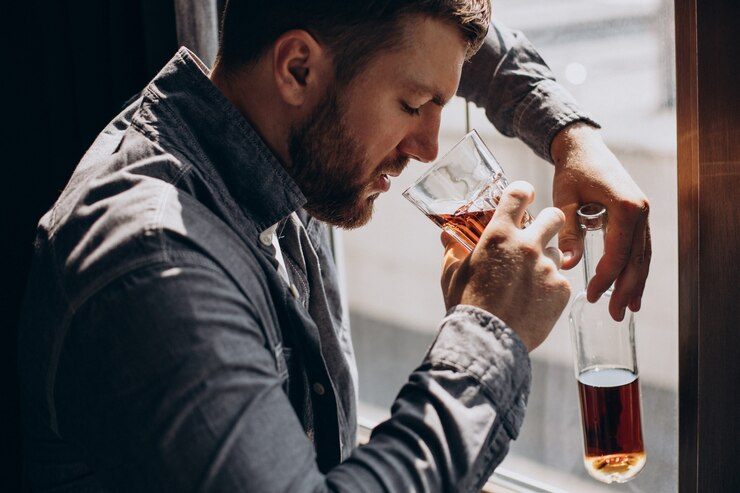
The majority of alcohol abuse is one of the pressing concerns in the modern world, affecting millions of individuals. It is further essential to understand the subtleties of alcoholic abuse and its further effects on the body to the proper mediation and treatment process.

Alcoholic abuse can be defined as one who has developed a pattern of using alcohol in such a manner that results in adverse effects on the consumer’s health and social and economic responsibilities. It refers to a pattern of drinking that results in negative consequences for an individual’s physical, emotional or social well-being.

Is There a Difference Between an Alcohol Abuser and an Alcoholic?

Alcoholism and alcohol abuse are terms used to refer to the same individual, with the difference being made based on the magnitude of the dependency. While an alcohol abuser continues to consume alcohol in large proportions, the individual is not dependent on it physically. They are still able to limit the amount of alcohol consumed to a certain level, at least. 

An alcoholic has formed a physical and psychological craving for alcohol and thus cannot control their consumption. Alcohol-dependent persons have withdrawal symptoms when they are not using alcohol, and alcohol takes the highest precedence in their daily lives.

What Two Organs of the Body Get Most Affected by Alcohol?

Two body organs most significantly affected by alcohol abuse are:

  • Liver: Alcohol is processed by the liver. Our liver must be well functioning to perform this vital function properly. This substance, if taken in large quantities or over a long time, affects our liver through conditions like fatty liver, hepatitis, and cirrhosis. These conditions will be threatening if the affected persons do not seek medical attention.

  • Brain: Alcohol interferes with the biochemical transmission system in the brain, so the person transforms into a positive or negative character and has short-term memory problems, among other effects. When the prolonged use of a substance can lead to irreparable neurological damage, humans also develop depression and anxiety.

Treatments for Alcohol

Effective treatment for alcohol abuse involves a combination of medical, psychological, and support-based approaches:

  • Detoxification: Detoxification management is the first stage of the treatment of alcohol dependence.
  • Therapy: Alcohol-, Cognitive Behavioral Therapy (CBT), Motivational Interviewing, as well as other counselling techniques assist persons to raise and change their drinking patterns.
  • Medications: Acamprosate, naltrexone, and disulfiram can control the craving and thus minimize the chances of the patient returning to the substance.
  • Inpatient and Outpatient Programs: The nature of these programs ranges from organized settings with a more intense focus on the addict’s needs, depending on the level of the addiction.

Wrapping Up


Alcoholism is a severe disease that exerts massive impacts on the human body, focusing on the liver and the brain. There should be capable recognition of the differences between an alcohol abuser and an alcoholic, analyze the effects, and look for proper treatments for alcohol, which can help pave the way for healing and quality of life again. The sooner an individual affected by alcoholic abuse seeks help, the sooner they can turn life around for the better.

Monday, July 15, 2024

Unlock the Secrets to Successful Marijuana Recovery

Marijuana Recovery

Marijuana recovery is a significant process through which a person wants to come out of their compulsion and get their life back on track. Given the rise in marijuana consumption, the community needs to embrace the recovery process for everyone in need. This blog was founded to inform people about the marijuana substance, its history, signs of addiction, and recommended treatment procedures.

What is marijuana?

Marijuana is a psychotropic substance from the cannabis plant, consumed for recreational or medical purposes. It includes products such as THC and CBD that influence the body and the brain. Even though it is used more frequently than other substances, marijuana, in turn, can cause addiction.

History of Marijuana

  • Ancient Use: Cannabis has been utilized as a medicine and as a recreational consumable substance for a couple of millennia, with archeological evidence pointing to China and India.
  • Spread to the West: The online trading mechanism was presented to the Western world in the early nineteenth century and became more recognized in the twentieth century.
  • Prohibition: Cannabis was banned in many countries in the early part of the twentieth century based on its psychoactivity.
  • Modern Legalization: Today, most of the regions have allowed the usage of marijuana for medicinal purposes and even indulgence, hence making it easier for people to gain access to marijuana.

Marijuana addiction symptoms

  • Cravings: an intense desire to take marijuana, whether the outcomes are positive or negative.
  • Tolerance: requiring more marijuana to get the kind of high previously experienced.
  • Withdrawal: Feel anxious, unable to sleep or eat, or get easily annoyed when one is not consuming marijuana.
  • Neglecting Responsibilities: Failure to perform one’s duties in one's personal, professional, or academic life because of marijuana use.
  • Continued Use Despite Problems: Continuing to use marijuana despite having or experiencing a problem with physical, psychological, or social functioning.

Marijuana Treatment

There is no medication specifically for the treatment of marijuana addiction; most of the time, the treatment is behavioral therapy, counseling, and support groups. The fundamental focus and application of CBT make it helpful in altering a person's cognitive and behavioral processes. Other therapies include motivational enhancement therapy (MET) and contingency management (CM). When done in conjunction with each other and in the right environment, the probabilities of giving the patients a successful rehabilitation are boosted.

Path to Recovery: Embracing a Healthier Life

Substance dependence treatment, especially for marijuana, is considered challenging yet possible for patients to achieve. Thus, with information about the effects of marijuana, its history, and the signs of addiction, people will realize the necessity of getting treatment. Marijuana addiction can be successfully treated, and therefore, the individual who was addicted to marijuana can fully recover and be a healthier person.

Holistic Dallas Drug Rehabilitation for True Recovery

Drug abuse doesn’t just harm the body — it also deeply affects the mind, emotions, and spirit. Addiction impacts every part of a person. If ...